


[전문점M] Smarter homeowners trust hvac services danville for year-round comfort

 Maurice
본문
Getting heating and cooling right depends on timing, coordination, and steady follow-through. The approach you choose shapes comfort, energy costs, and peace of mind all year. That’s why a clear plan, the right materials, and a fair schedule matter from the start. We’ll map out how to scope needs, select equipment, and keep work flowing without chaos. You’ll see everyday examples, like a split-level home that needs better zoning or a small shop that wants quieter airflow. We’ll also cover quality controls and the upkeep that makes systems last. The goal is practical steps you can use today, not vague promises. If a breakdown hits during a freeze, knowing who to call cuts downtime and stress; furnace repair near me is the kind of fast solution that keeps families safe. By the end, you’ll have a simple playbook for better comfort and fewer surprises.
Define needs and scope for HVAC projects early
Start with a clear picture of rooms, headcount, and airflow issues. In practice, a quick walk-through beats guesswork HVAC and leads to smarter calls on sizing and zoning. Note hot bedrooms, drafty halls, or a sunroom that bakes at 3 p.m. Document key issues with photos and track daily temperature dips so patterns are easy to spot. Minor details, like a blocked return, can throw off the whole plan. Or, define a minimal project now and add phases later.
Translate findings into plain targets: cooler upstairs, quieter fan noise, and steady humidity. A split-level house, for example, might need two dampers and a rebalanced supply, not a larger unit. Define a spend range and work window before calling crews to avoid scope creep. Sort critical fixes from wish-list upgrades so choices stay grounded. You’ll make faster decisions with fewer regrets.
Choose systems and components that match usage demands
Match capacity to the load, not the label hype. For a small ranch with decent insulation HVAC a two-stage unit may beat a flashy variable-speed on value. Pair that with MERV 11 filters if allergies are mild, or MERV 13 if pollen is brutal. Proper duct sizing trims noise and improves airflow, while sealed joints stop dust leaks. Avoid chasing the biggest tonnage that cycles short and wastes power. Short blasts and whistling vents often mean a mismatch.
Don’t forget fresh-air and humidity. A bakery storefront might need a dedicated make-up air line and a smart dehumidifier. Check refrigerant compatibility before any coil change to prevent warranty headaches. Add better filters during install for faster payback on health and dust control. Simple choices today prevent costly fixes tomorrow.
Sequence install tasks and coordinate timelines for off-peak seasons
Build a step-by-step schedule that keeps life moving. For families with kids HVAC plan loud work after school and coil pulls on weekends. In a café, swap condensers at dawn, then tune thermostats before the lunch rush. Cluster loud tasks and stage cleanup between trades so dust doesn’t spread. Choose shoulder-season slots to trim cost and reduce rush fees. A little foresight beats scrambling under pressure.
Create a simple run sheet: arrival, isolation, demo, install, testing, and sign-off. Color-code tasks and tag owners for clarity. Lock in delivery windows before demo to avoid idle time. Share daily windows with neighbors if parking or noise shifts. When people know the plan, the plan works.
Control quality and mitigate risks with checks through routines
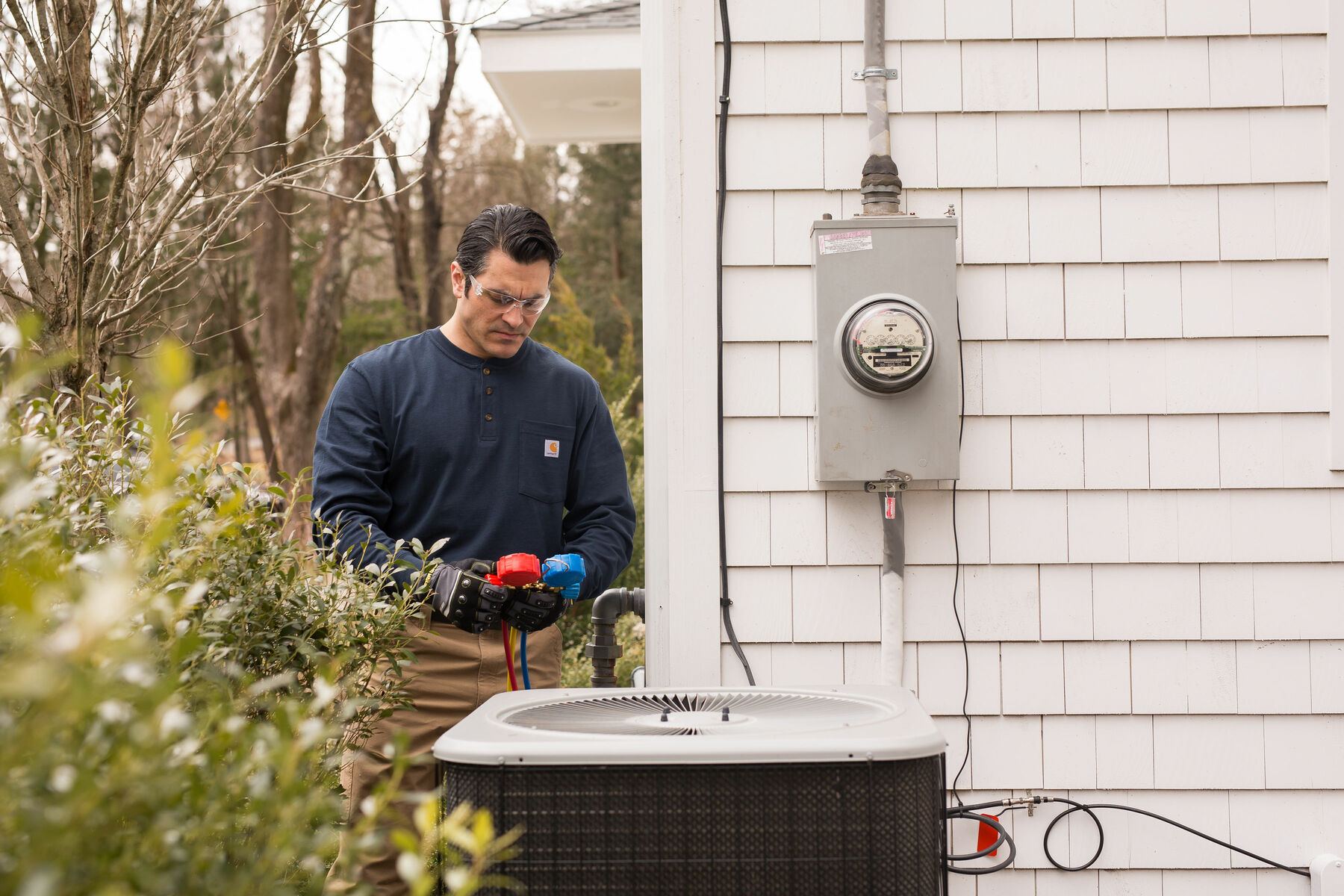
Bake checks into each milestone, not just the finish line. During commissioning HVAC log static pressure, verify charge by subcooling, and confirm delta-T across coils. A starter home might show 0.5 in. w.c. on supply; note it and recheck after balancing. Measure before and after so fixes can be proved, not guessed. Photograph filter racks and seals to track wear. If you track it, you can improve it.
Handle risks where they start. Put drip pan floats on attics, add pan tabs, and clear condensate lines with nitrogen. Tag cut-offs so anyone can make a safe stop fast. Keep spare fuses on site for quick swaps. Review findings with the owner weekly to lock in changes. Tidy records make warranty calls painless.
Plan tune-ups and upgrades for long system life
Make upkeep a quarterly habit with light, repeatable steps. For a duplex with pets HVAC replace filters every 60 days and vacuum returns monthly. Rinse outdoor coils each spring; trim shrubs back 18 inches. Use phone alerts and keep a tiny service log so patterns jump out. Tiny routines sidestep major breakdowns.
Think ahead on controls, IAQ add-ons, and energy gains. A smart stat with geofencing can trim cooling 10% in shoulder months. Seal ducts when rooms are empty to avoid mess. Schedule air quality changes before spring blooms for max effect. Stay the course, and surprises stay scarce.
Control spend and weigh trade-offs without losing core value
Price the must-haves first, then rank the extras. For a tight budget HVAC choose a two-stage furnace now and add zoning later. Compare SEER2 bumps against real runtime, not brochure math. Stack tasks to reduce visits and reuse sound ducts when testing proves they’re tight. Stretch dollars where they show up daily. Value shows in quiet rooms and steady temps.
Ask for line-item options across good, better, best. Confirm lead times and rebate windows before you lock a pick. Weigh warranty length vs. parts cost for balance. Choose the route that suits your daily life. Sustainable choices outlast impulse buys.
Conclusion
Good results come from a clear scope, parts that fit the job, and a schedule tuned to real life. Add steady testing, and you’ll lower risk while proving gains you can feel. Wrap it up with simple upkeep, and comfort holds steady season after season. With this playbook, you’ll spend wisely, breathe easier, and enjoy a quieter, calmer home.
댓글목록0
댓글 포인트 안내